C.G. Jung and Germany´s shadow(s)
C.G.Jung / History

C.G. Jung and Germany´s shadow(s)


Especially in Europe depth psychology has been shoved aside precisely because it is politically incorrect and challenges established powers of all kind. C.G. Jung raises people’s conscious levels of awareness and favors free thinking. This is definitely uncalled for in all the orthodoxies and by the global economy. Particularly revealing is if one applies psychological … Continue reading


Das soziale Unbewusste und C.G. Jung ist aktueller denn je, und Deutschland gehört (wieder) auf die Couch.
C.G.Jung / History

Das soziale Unbewusste und C.G. Jung ist aktueller denn je, und Deutschland gehört (wieder) auf die Couch.


Jung übernahm zwar aus der Psychoanalyse die Begriffe Bewusstsein und Unbewusstes, differenzierte aber letzteres in ein persönliches Unbewusstes und das kollektive Unbewusste. Was ist also neu am Sozialen Unbewussten. Nichts.  Im persönlichen  Unbewussten  geht es  bei ihm  um persönliche Traumata oder sonstige Erfahrungen und Impulse, die ein Individuum aus den Tiefen des Unbewussten heraus steuern. C. … Continue reading

C.G. Jung , Kepler and Consultative Astrology
C.G.Jung / History / Science

C.G. Jung , Kepler and Consultative Astrology


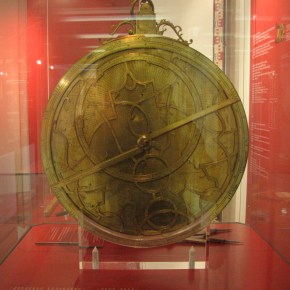
Astrology is still of those darkened avenues considered off-limits of science. In his research into the symbolic meaning of his patient’s dreams, conversations and paintings, Jung observed recurring mythical themes. Jung concluded that the constellations were originally inspired by projections of images created by the collective unconscious. Jung wrote “Astrology represents the sum of all the psychological … Continue reading

Eine Phänemonologie: Anti-Christ – Satan – Dämon
Ethics / Religion

Eine Phänemonologie: Anti-Christ – Satan – Dämon


Das Göttliche tritt dem Bewußtsein innerhalb dessen eigener Dialektik entgegen sowohl in uranischer wie in chtonischer Gestalt, verkörpert in guten und in bösen Göttern, in Lichtgestalten und Dämonen. Im Polytheismus haben die Götter oft dämonische und die Dämonen oft göttliche Züge. Beide gehören bis zum Neuen Testament eigentlich zum gleichen Geschlecht, sie sind nur feindliche … Continue reading